

1. Inspect Your Heating System January is when your heater works the hardest. Replace air filters, listen for unusual noises, and make sure vents aren’t blocked. Scheduling a professional HVAC check can prevent mid-winter breakdowns and improve efficiency.
2. Check for Drafts and Air Leaks Cold air sneaking in means higher energy bills. Inspect doors, windows, and attic access points for drafts. Add weatherstripping or caulk where needed to keep warm air inside.
3. Inspect Pipes and Prevent Freezing Exposed pipes in garages, crawl spaces, or exterior walls should be insulated. On especially cold nights, letting faucets drip can help prevent frozen or burst pipes.
4. Clean and Inspect Fireplaces and Chimneys If you’re using a fireplace, make sure it’s clean and safe. Remove ash buildup, check the damper, and consider a professional chimney inspection to reduce fire hazards.
5. Test Smoke and Carbon Monoxide Detectors With heaters and fireplaces running, safety is critical. Test all detectors, replace batteries, and make sure carbon monoxide detectors are installed on every level of the home.
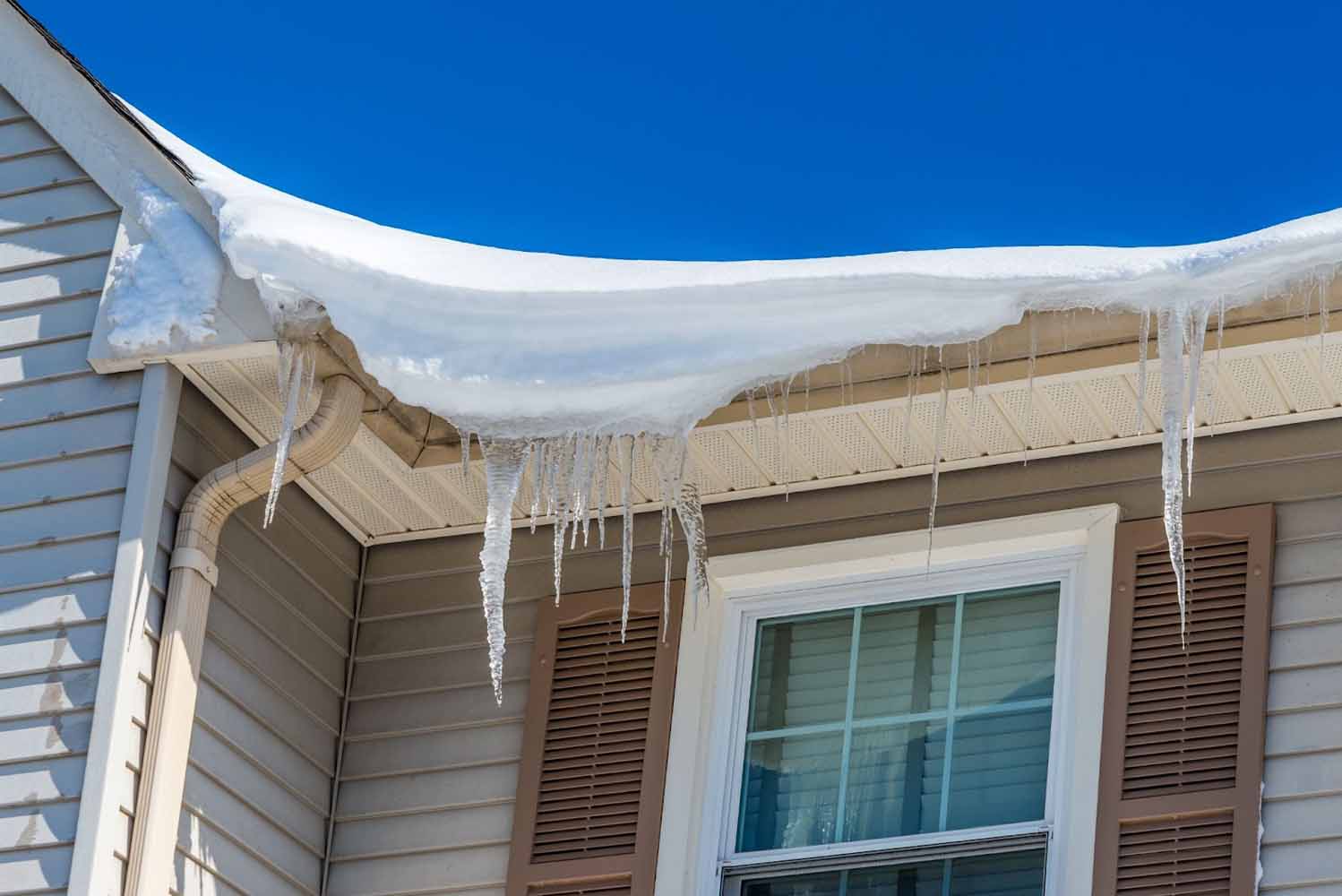
6. Examine the Roof and Gutters Winter weather can reveal roof issues. Look for missing shingles, leaks, or sagging areas. Clear debris from gutters to prevent water damage when rain or ice occurs.
7. Reverse Ceiling Fans Switch ceiling fans to rotate clockwise at a low speed. This pushes warm air down and helps rooms feel warmer without increasing heating costs.
8. Check for Moisture and Mold Condensation around windows or damp areas can lead to mold. Address moisture issues early by improving ventilation and sealing leaks.
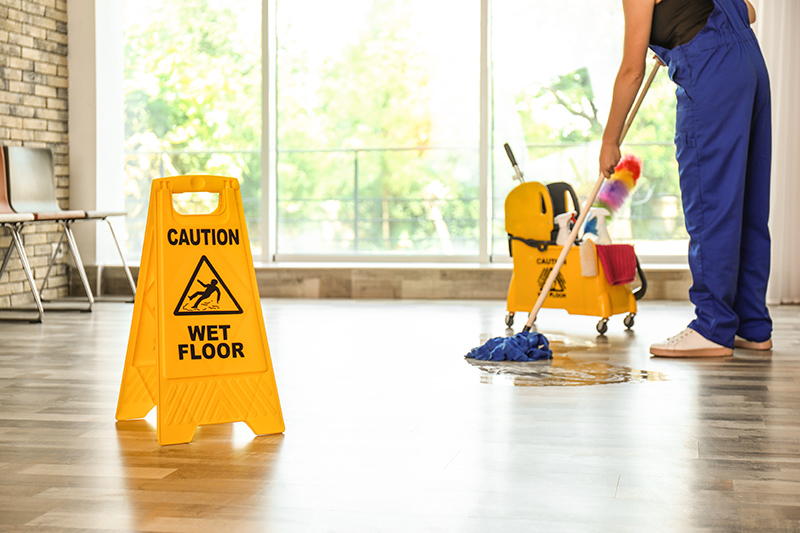
9. Organize and Declutter Indoor Spaces January is a great time to reset. Decluttering closets, garages, and storage areas makes homes feel more spacious and helps identify items that need repair or replacement.
10. Plan Ahead for Spring Projects Use January to plan home improvements like landscaping, exterior painting, or renovations. Getting on contractor schedules early can save time and money later.
Regular maintenance not only protects your home but also preserves its value. A well-cared-for home stands out when it’s time to sell and gives buyers confidence from day one.
Check out this article next